
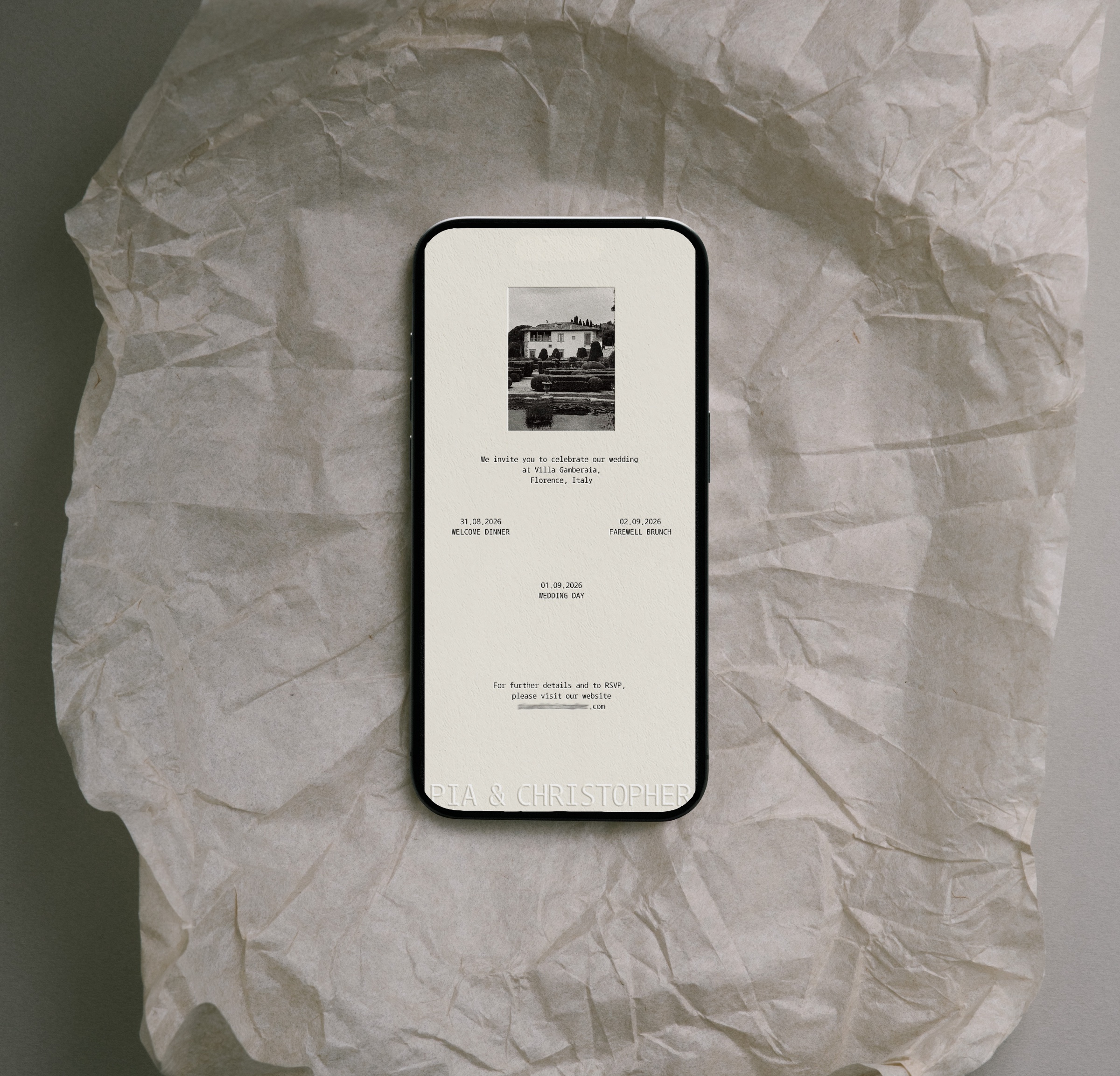
Is it acceptable to send wedding invitations digitally?
Yes. Digital wedding invitations are increasingly accepted, including for formal weddings. They are particularly practical when guests are spread across several countries or when the wedding celebrations include multiple events over a few days.
What matters is how the invitation is designed and presented. A generic template with advertising, limited customisation or an unfamiliar platform can feel impersonal. A carefully designed digital invitation, with individual guest details and clear, well-written information, is a different experience altogether.
What makes a digital invitation feel formal?
A formal digital wedding invitation should follow the same principles as printed stationery: considered typography, traditional wording, a clear layout and a personal approach to each guest.
Here are details that make a difference:
1. Personal address. Each household receives its own invitation, addressed by name, with access only to the events they have been invited to.
2. Typography and proportion. Personalised typography and a considered design that reflect the couple's style and create a visual connection with the overall wedding aesthetic.
3. Wording. Thoughtfully written invitation text that reflects the tone and formality of the wedding, while keeping the message personal and welcoming.
4. A considered experience. No advertising, third-party logos or unnecessary account creation. Guests should be able to open their invitation and find everything they need without navigating an unfamiliar platform.
5. A thoughtful introduction. An envelope animation or a beautifully designed cover page can create a sense of arrival before the invitation itself is revealed.
6. The guest's own language. For international weddings, it is worth considering a platform that allows each guest to view the navigation and RSVP form in their preferred language, while keeping the invitation wording exactly as the couple has written it.

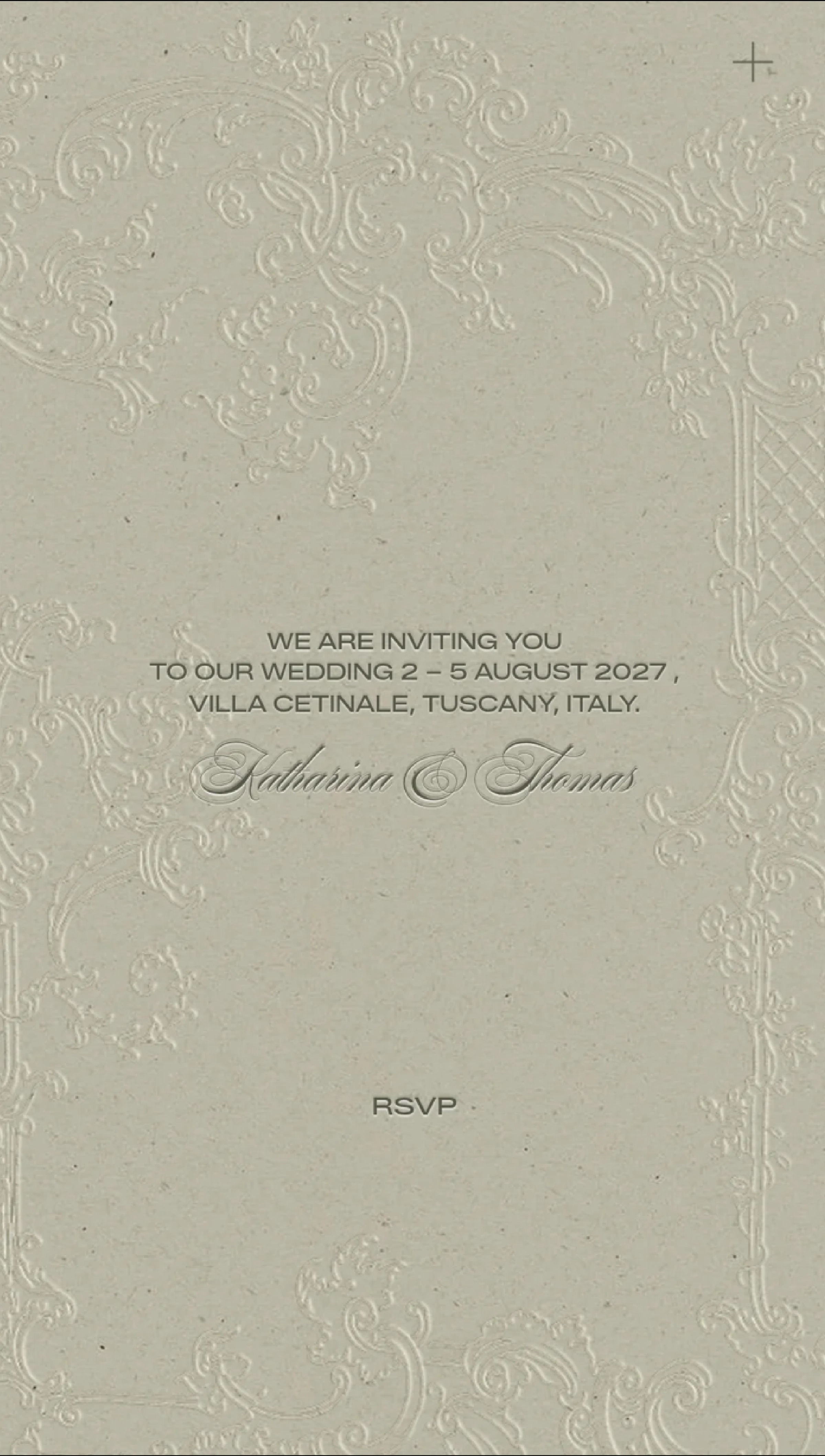
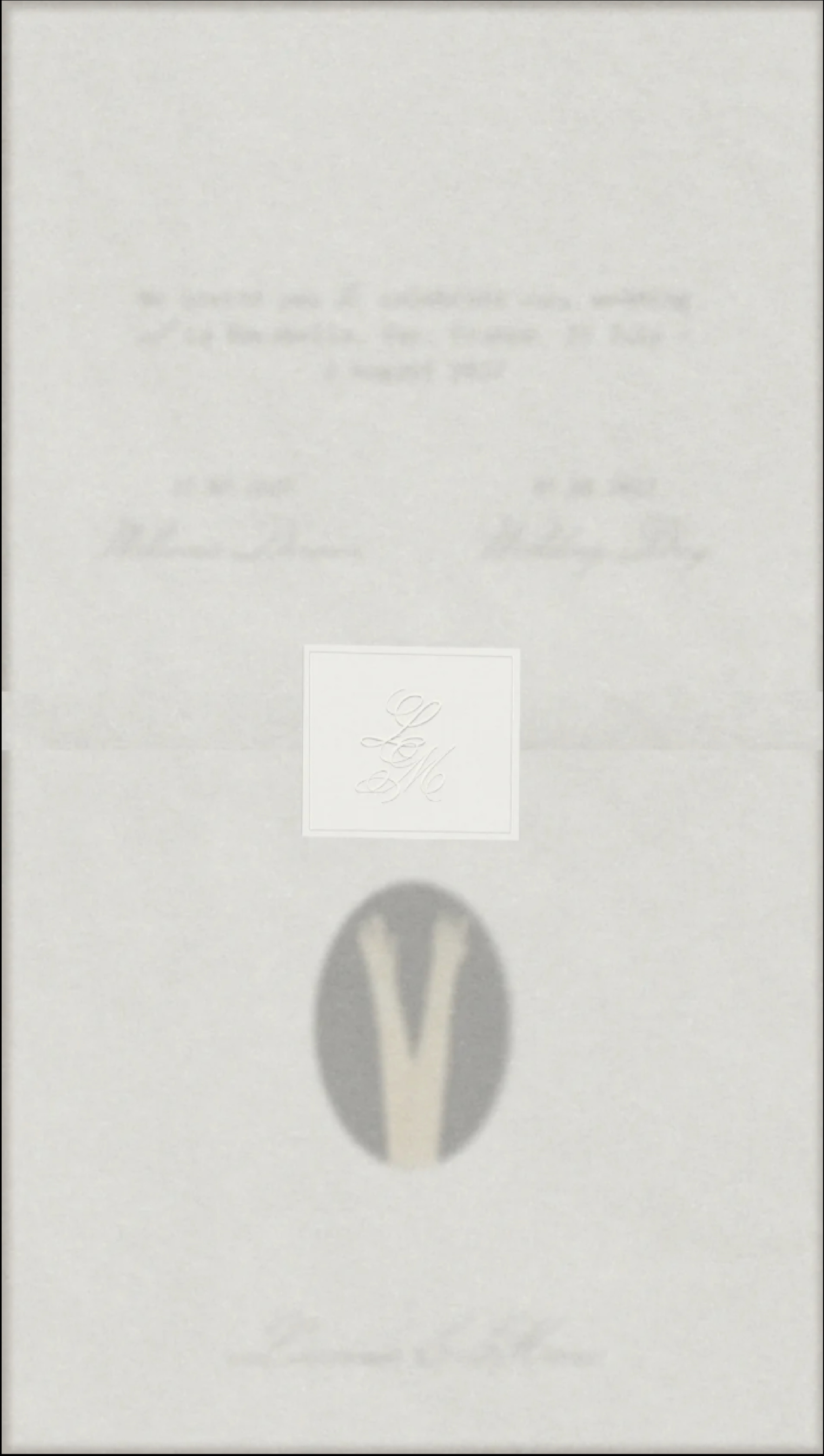
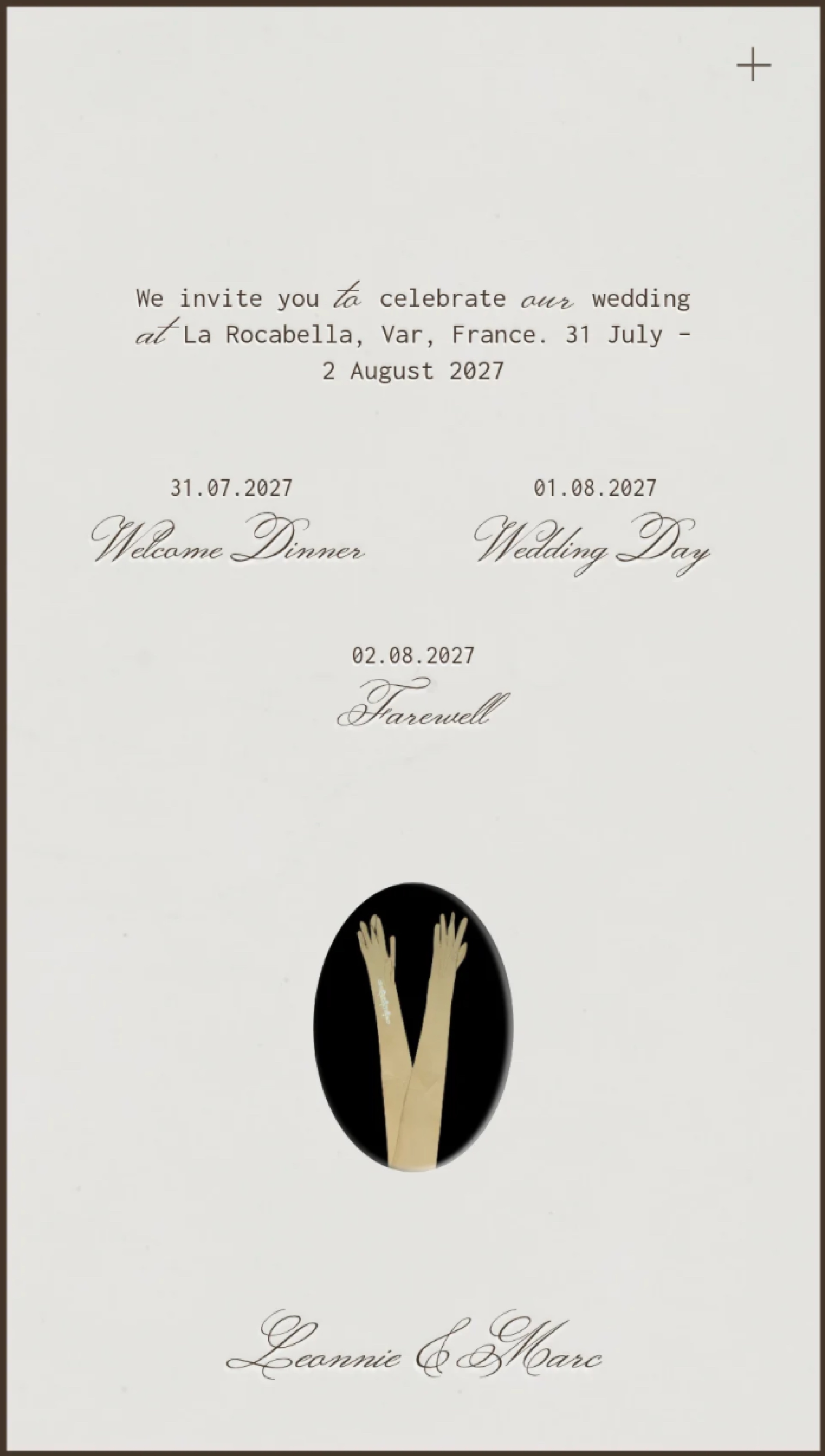
Why I created Wedding Mark's digital invitations
Over the past few years, I have noticed a change in what couples expect from their wedding stationery. Weddings have become more complex, often involving several days of celebrations, multiple events, international guest lists and a much greater level of coordination. Naturally, this also means more detailed planning and RSVP management.
I started looking for digital solutions that could support these needs, but most of the platforms I came across either lacked the design standards I wanted for Wedding Mark or were unnecessarily complicated to use.
I decided to build my own platform. I wanted it to bring together everything couples need to communicate with and manage their guests, while meeting the same standards I apply to my stationery design. It had to be visually considered, practical, secure and intuitive to use. Protecting the privacy of couples and their guests was equally important. Their personal data should never become a commercial asset.
Above all, I wanted to create an experience that feels seamless, beautiful and considered, from the moment a guest opens their invitation to the moment they submit their RSVP.
When is paper still the better choice?
Printed wedding invitations are still a wonderful choice when the physical stationery is an important part of the wedding experience. Some guests appreciate having something tangible to keep, while others, particularly older relatives, may simply feel more comfortable receiving a printed card.
Paper also plays an important role when the stationery continues throughout the wedding day, with matching menus, place cards, table numbers and other printed details.
There is no reason to choose one format exclusively. Many couples combine printed and digital invitations, sending paper invitations to some guests and digital versions to others. Others use both, giving everyone a printed keepsake while keeping all practical information and RSVP details accessible online.
Paper or digital: what does each do best?
Both formats have their advantages. The right choice depends on the wedding, the guest list and how much information needs to be shared.
| Printed invitation | Digital invitation | |
|---|---|---|
| Keepsake | yes, guests keep it | no |
| Guests abroad | depends on the post | arrives the same minute |
| Changes after sending | a second mailing | updated on the same link |
| Replies | reply cards by post | per person, in one list |
| Lead time | 4 to 8 weeks for printing | the day the details are final |
Can you combine printed and digital invitations?
Yes. Combining printed and digital wedding invitations is a practical solution for many formal weddings.
Printed stationery can provide the traditional invitation experience, while a digital page makes it easier to share information that guests may need to access more than once. This can include the wedding programme, travel and accommodation details, dress code and RSVP.
For multi-day celebrations or destination weddings, having all these details available through one private link can make communication much easier for both the couple and their guests.
How should a formal digital invitation be worded?
A formal digital wedding invitation should follow the same wording conventions as a printed invitation. There is no need to make the language more casual simply because the invitation is sent online. For example:
Together with their families
Anna Weber and Luca Rossi
request the pleasure of your company
at their wedding
on Saturday, the twelfth of June
near Siena, Tuscany
Kindly reply by the first of May
Practical information, such as travel arrangements, accommodation, the dress code and the schedule of events, should have its own clearly organised section rather than being included in the main invitation wording.
For advice on timing, see our guide to when to send save the dates.
What should guests be able to do on the page?
A digital wedding invitation should give guests everything they need without making the experience unnecessarily complicated.
At a minimum, guests should be able to:
1. Read their personal wedding invitation.
2. See the events they have been invited to.
3. Access practical information about the celebration.
4. RSVP for each person in their household.
5. Update their response if their plans change.
Guests should not have to create an account or download an app to access this information.
Our digital wedding invitations are designed around this approach. Each household receives one private link, which can be used for the save the date and later becomes the full wedding invitation. Guest responses are collected in one place, making it easier for couples to manage their guest list and keep track of replies.
FAQ
No. Sending a wedding invitation digitally is not considered rude, provided it is presented appropriately. For a formal wedding, a personalised digital invitation with carefully considered design and traditional wording is a more suitable choice than a generic message or a simple image sent through WhatsApp.
Most digital wedding invitations are straightforward to use. Guests simply open a private link to view their invitation and respond. There is usually no need to install an app or create an account. If some guests prefer printed stationery, you can always offer them a physical invitation as well.
No. The wording should reflect the formality of the wedding, not the format of the invitation. Traditional wording, including the hosting line, the full date and a polite request for a reply, works just as well online as it does on printed stationery.